Pressure Washer Tips: Expert Guide for Safe Use
Pressure Washer Mastery
Unleash the incredible power of professional-grade pressure washing with expert techniques, safety protocols, and insider secrets that transform ordinary cleaning into extraordinary results. Master the art of high-pressure cleaning and revolutionise your approach to tough cleaning challenges.

The Science of High-Pressure Cleaning Power
Pressure washers aren't just cleaning tools – they're precision-engineered powerhouses that harness the fundamental force of water under extreme pressure to accomplish cleaning tasks that would be impossible through conventional methods. Understanding this incredible technology is the first step toward mastering its potential.
The transformation is remarkable: Surfaces that have been stained, weathered, or neglected for years can be restored to like-new condition in minutes. This isn't just cleaning – it's surface restoration through the precise application of hydraulic power.
⚙️ Understanding Pressure Washer Components
Every pressure washer is a sophisticated machine combining multiple engineered components that work in perfect harmony to deliver incredible cleaning power. Understanding each component enables you to maximise performance and ensure optimal results.

Power Source
Electric motors for precision control and quiet operation, or gas engines for maximum power and portability. Each type delivers specific advantages for different cleaning applications.
High-Pressure Pump
The heart of the system that transforms regular water pressure into powerful cleaning force. Advanced pump designs ensure consistent pressure and long-term reliability.
Pressure Hose
Specially engineered to withstand extreme pressure while maintaining flexibility. Quality hoses ensure consistent water delivery and operational safety.
Spray Gun & Nozzles
Precision-designed control systems that allow you to adjust spray patterns and pressure intensity for optimal cleaning results on different surfaces.
Engineering Excellence
Modern pressure washers represent decades of engineering refinement, incorporating advanced materials, precision manufacturing, and intelligent design features that maximise cleaning power while ensuring user safety and equipment longevity. Understanding these systems helps you leverage their full potential.
🎯 Strategic Pressure Washer Selection
Choosing the right pressure washer is crucial for achieving optimal results while ensuring safety and efficiency. Different applications demand different power levels and features, making informed selection essential for success.

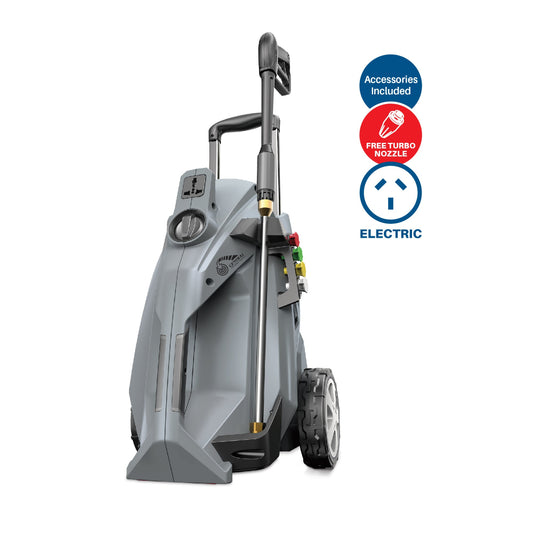
Electric Pressure Washers
Best for: Residential cleaning, cars, patios, light-duty tasks
Advantages: Quiet operation, easy maintenance, instant start, lightweight design
Power Range: 1300-2000 PSI
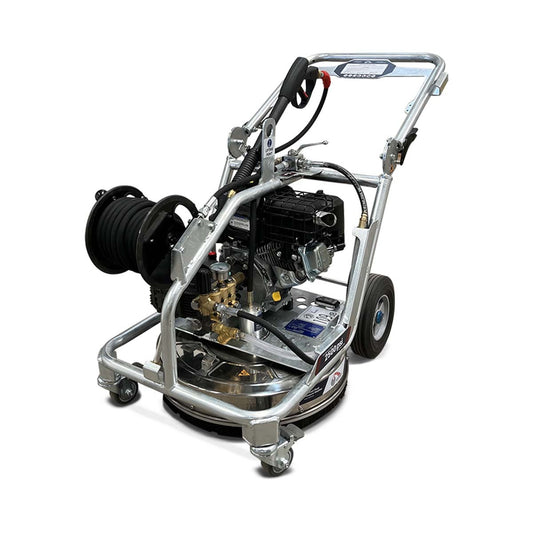
Gas Pressure Washers
Best for: Heavy-duty cleaning, large areas, commercial applications
Advantages: Maximum power, portability, continuous operation, professional results
Power Range: 2500-4000+ PSI
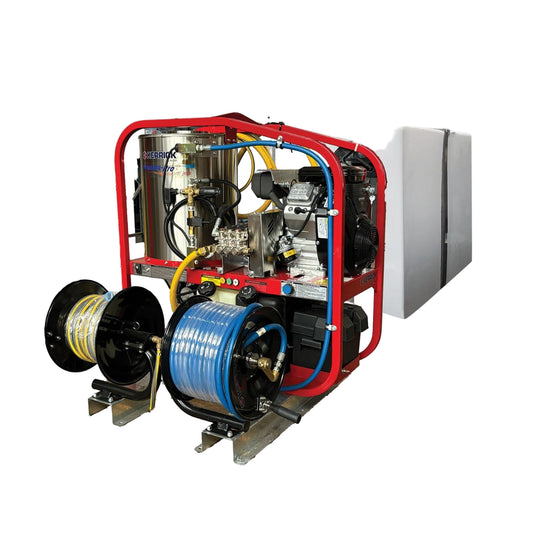
Professional Models
Best for: Commercial use, extreme cleaning challenges, daily operation
Advantages: Maximum durability, advanced features, extended warranties
Power Range: 3000-5000+ PSI
Trusted Professional Brands
🛡️ Critical Safety Protocols

Essential Safety Guidelines
- Protective Equipment: Safety goggles, non-slip footwear, and protective clothing are mandatory for safe operation
- Equipment Inspection: Check all connections, hoses, and fittings before each use to prevent accidents
- Pressure Awareness: Never point the spray gun at people, pets, or delicate surfaces
- Electrical Safety: Keep electrical connections dry and use GFCI protection for electric models
- Chemical Handling: Read all detergent labels and ensure proper ventilation when using cleaning chemicals
- Surface Testing: Always test pressure settings on inconspicuous areas before full application
Ready to Upgrade Your Cleaning Power?
Explore the pressure washer range built for home, trade, and commercial cleaning jobs. Choosing the right machine makes it easier to balance PSI, GPM, nozzle control, and cleaning speed for safer and more effective results.
🚀 Professional Operation Techniques
Master these proven techniques used by professional cleaning contractors to achieve consistently superior results while maintaining safety and efficiency standards.

Strategic Setup & Preparation
Connect water supply, attach high-pressure hose, and select appropriate nozzle for your specific cleaning task. Ensure all connections are secure and the system is properly primed before starting the engine or motor.
Nozzle Selection Mastery
Choose the correct nozzle angle for your application: 0° for tough stains (use cautiously), 15° for heavy-duty cleaning, 25° for general cleaning, 40° for delicate surfaces, and soap nozzle for detergent application.
Distance & Technique Control
Maintain optimal distance (12-24 inches) from surfaces, use smooth sweeping motions, and start with lower pressure settings. Gradually increase pressure as needed while monitoring surface response.
Systematic Cleaning Patterns
Work from top to bottom, clean in overlapping sections, and maintain consistent movement speed to prevent streaking or surface damage. Allow proper drying time between applications.
- Pressure Progression: Start with lowest effective pressure and increase gradually as needed
- Surface Compatibility: Match nozzle selection and pressure to specific surface materials
- Movement Mastery: Use steady, overlapping strokes for uniform cleaning results
- Safety Distance: Maintain safe working distance to prevent surface damage or injury
- Environmental Awareness: Consider wind direction and surrounding areas during operation
📊 Illustrative Case Study: Real Person vs Cleaning Robot
320 m² Commercial Entry and Forecourt Cleaning Comparison
This illustrative example compares a trained operator using a commercial pressure washer with a robotic cleaning unit completing routine hard-surface maintenance over the same 320 m² commercial entry, paved forecourt, and pedestrian approach.
It is designed to show how job speed, coverage, water use, energy use, labour input, finish quality, and operator exposure can change depending on whether the task is handled by a real person with a pressure washer or a cleaning robot performing repetitive maintenance passes.
Real person finished faster using targeted spray control on edges, corners, drains, and stubborn grime, while the robot took longer across the same zone.
The trained operator covered more ground per hour once setup was complete, especially in irregular spaces with obstacles.
The robot used less water during routine maintenance passes, while the real person used more water to lift heavier buildup and treat detail areas.
The robotic option consumed less energy during the cleaning cycle, reflecting a slower but lower-input maintenance approach.
The real person required full active operation time, while the robot reduced direct labour to setup, supervision, and final checks.
The pressure washer operator achieved the stronger finish on detail work, heavy staining, and edge control, while the robot delivered steady but less detailed results.
The human clean needed fewer follow-up touch-ups thanks to better spot treatment, whereas the robot needed more manual finishing around difficult sections.
The real person remained in the active spray zone for the whole job; the robot reduced direct exposure because the operator mainly supervised outside the cleaning path.
Measured takeaway: in this illustrative comparison, the real person with a correctly matched pressure washer completed the job about 29% faster and achieved the highest finish quality, while the cleaning robot reduced direct labour input by roughly 61%, lowered water use by about 26%, and reduced operator exposure during routine passes. For stubborn grime, edges, drains, and detail control, a pressure washer remains the stronger choice; for repetitive flat-surface maintenance, a robot can improve efficiency and lower direct labour demand. Source
🧽 Advanced Foam Gun Techniques

Professional Foam Application Mastery
Professional Foam Application Secret
The key to exceptional foam gun results lies in proper dwell time and detergent selection. Professional cleaners match specific detergent formulations to soil types and allow adequate contact time for chemical action to break down contaminants before rinsing. This approach delivers superior results with less pressure and effort.
🔧 Maintenance Excellence for Peak Performance
Proper maintenance ensures your pressure washer delivers consistent performance, extends equipment life, and prevents costly repairs. Follow these professional maintenance protocols for optimal results.
📅 Daily Maintenance
- Inspect hoses and connections for leaks
- Check nozzles for clogs or damage
- Clean and store equipment properly
- Drain water from system after use
🔄 Periodic Service
- Change engine oil (gas models)
- Replace air filters as needed
- Inspect and clean spark plugs
- Check and adjust belt tension
❄️ Seasonal Storage
- Complete system winterisation
- Add fuel stabiliser to gas models
- Store in dry, protected environment
- Perform comprehensive inspection
Critical Maintenance Warning
Never ignore maintenance schedules! Pressure washers operate under extreme conditions that accelerate wear and tear. Regular maintenance prevents catastrophic failures, ensures safe operation, and protects your investment. A well-maintained pressure washer can provide decades of reliable service.
💡 Expert Tips for Maximum Effectiveness
- Temperature Advantage: Warm water dramatically improves cleaning effectiveness, especially for grease and oil removal
- Chemical Compatibility: Always use pressure washer-approved detergents to prevent pump damage and ensure optimal results
- Surface Preparation: Remove loose debris before pressure washing to prevent damage and improve cleaning efficiency
- Weather Considerations: Avoid cleaning during extreme temperatures or windy conditions for best results and safety
- Post-Cleaning Care: Allow surfaces to dry completely and apply protective treatments when appropriate
Professional Performance Optimisation
Professional cleaning contractors understand that exceptional results come from the combination of proper equipment selection, technique mastery, and systematic approach. The difference between amateur and professional results lies in attention to detail, safety protocols, and understanding the science behind high-pressure cleaning.
Master the Power
Pressure washing mastery transforms ordinary cleaning tasks into efficient, professional-quality results that restore and protect your property investments. With proper technique, safety awareness, and equipment knowledge, you possess the power to tackle any cleaning challenge with confidence and achieve results that rival professional services.
Unleash the incredible potential of pressure washing technology. Master these techniques, prioritise safety, and experience the satisfaction of transforming surfaces with the pure power of precision-engineered cleaning force.